

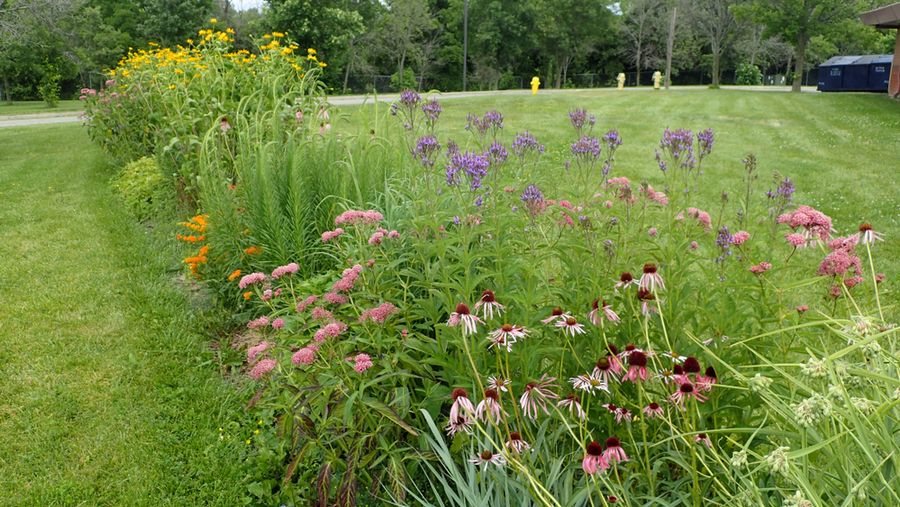
Starting a garden is one of the most rewarding ways to connect with nature and create something beautiful from the ground up. Whether it’s a small patio plot or a backyard oasis, a garden can bring peace, color, and nourishment to everyday life. With the right plan and a little patience, anyone can cultivate a thriving space that grows with each season. The secret lies in thoughtful preparation and steady care.
Choose the Right Location
Every great garden begins with the perfect spot. Most plants need at least six hours of sunlight each day, so choose a location that receives consistent light . Avoid areas prone to heavy shade or standing water, as too much moisture can hinder root growth. A flat, well-draining surface is ideal for maintaining healthy soil and preventing erosion.
Observe your chosen area throughout the day to understand how sunlight moves across it. This helps determine what will grow best there—vegetables love full sun, while ferns and hostas thrive in partial shade. Starting small ensures you can manage your space easily while learning what works for your unique environment.
Prepare and Enrich the Soil
Healthy plants begin with healthy soil. Before planting, loosen the soil with a spade or tiller to allow roots to spread easily. Remove weeds, rocks, and debris, then mix in organic matter such as compost, peat moss, or aged manure. This enriches the soil with nutrients and improves its ability to retain moisture.
Testing your soil’s pH can also make a big difference. Most plants prefer a slightly acidic balance, around 6.0 to 7.5 on the pH scale . Adjusting with lime or sulfur, if needed, ensures optimal growing conditions. Well-prepared soil gives your plants a strong foundation, promoting healthier growth and higher yields.
Select the Right Plants for Your Climate
Choosing plants suited to your local climate is key to long-term success. Check your region’s USDA Hardiness Zone or similar local guide to identify which species will thrive. Native plants are often the best option—they’re naturally adapted to your area’s temperature, rainfall, and soil conditions.
Beginners may start with easy growers like tomatoes, lettuce, zinnias, or marigolds . These resilient varieties provide early success and build confidence. Grouping plants by their sunlight and watering needs ensures everything grows harmoniously. When your plants are well-suited to their environment, gardening becomes less about maintenance and more about enjoyment.
Plan and Design Your Layout
A little planning goes a long way toward creating a balanced, productive garden. Sketch out your space before planting, noting where each type of plant will go. Taller plants should be placed in the back or center to prevent shading smaller ones. Allow enough space between rows for air circulation and easy access during watering or harvesting.
Consider mixing flowers and vegetables to attract pollinators like bees and butterflies. Border plants such as herbs or marigolds can help deter pests naturally. A thoughtful layout not only enhances the garden’s beauty but also encourages healthy growth and efficient upkeep.
Plant with Care and Consistency
When the soil is warm and frost risk has passed, it’s time to plant. Dig holes large enough to accommodate each plant’s root system, then gently pat the soil around them to eliminate air pockets. Water immediately after planting to help roots settle and reduce stress.
Consistency is key to nurturing young plants. Keep soil moist but not waterlogged, and use mulch to retain moisture and prevent weeds. As your garden grows, remove any dying leaves or spent blooms to encourage new growth. A steady routine builds momentum—and soon, you’ll see your garden coming to life.
Maintain and Enjoy the Growth
Once your garden is established, a little regular care keeps it flourishing. Water deeply a few times a week rather than shallow watering every day. This encourages strong root systems and more resilient plants. Adding compost every few months replenishes nutrients and keeps the soil rich and lively.
Pay attention to changes—wilting leaves or discoloration often signal a need for adjustment in watering or sunlight. Enjoy the process of watching your garden evolve with the seasons. Gardening isn’t just about the harvest; it’s about slowing down, observing growth, and appreciating the living beauty right outside your door.
Growing Joy from the Ground Up
A garden is more than a collection of plants—it’s a reflection of care, patience, and creativity. Starting small and learning as you go transforms gardening into a relaxing, rewarding habit. With sunlight, good soil, and steady attention, even the simplest plot can bloom into something extraordinary. Every sprout and blossom becomes a reminder that growth takes time, but the results are worth every moment spent nurturing them.